Valheim Farming Guide — Carrots, Turnips, Barley and the 1.0 Crops
Published 2026-09-236 min read
Valheim farming from the first cultivator to Deep North crops: where every seed hides, what grows where, replanting economics, and a garden layout that feeds a whole server.
Farming is Valheim's quiet power system: a planted field converts exploration loot into permanent stat upgrades, and every tier of the game gates its best food behind seeds. Here is the full agricultural ladder, including the crops 1.0 planted in the Deep North.
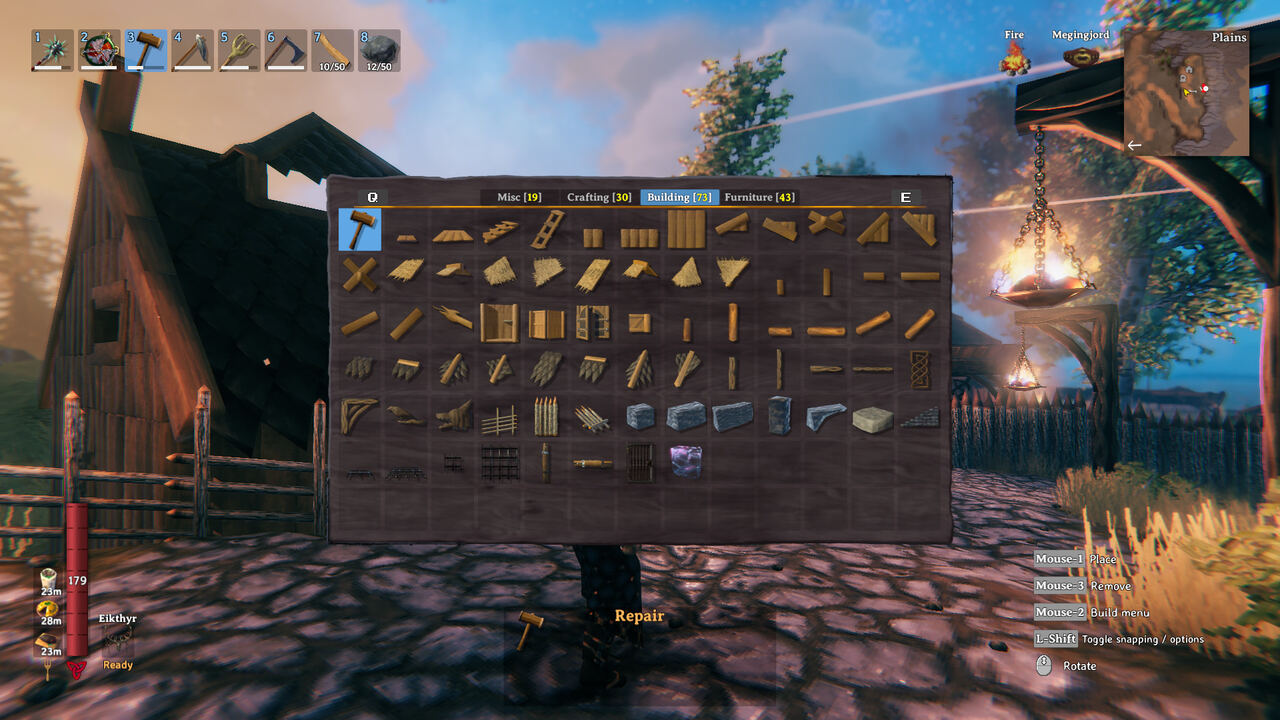
The tool: a bronze cultivator
Farming starts at the forge: the cultivator (bronze-era) tills grass into soil and plants seeds. From that moment, wild produce stops being food and starts being seed stock — the rule of thumb is to replant a third of every harvest until your field doubles, then start eating the surplus.
Where every seed hides
- Carrot seeds — chests in Black Forest burial chambers and abandoned houses. Carrots grow anywhere tilled, and are the backbone of early stews.
- Turnip seeds — Swamp, from crypt runs and mire scavenging; turnips grow in tilled soil and feed the mid-game recipes.
- Onion seeds — Mountain-era, looted from chests in mountain ruins and cabins. Onions are a cauldron staple for cold-weather expeditions.
- Barley and flax — Plains only. Both drop from plains fields and fuling village plots, and — critically — both refuse to grow outside Plains soil, so plan a fortified Plains farm and defend it properly.
- 1.0 crops — kale, oats and poteitr — the Deep North's new plantables, extending the farming line past the Plains for the first time and feeding the new northern recipes: kale chips, oat milk, oven pancakes and more.
Biome rules and workarounds
Growth needs tilled soil, open sky and the right biome — crops need open sky or generous clearance, so give fields real headroom under any roof. Because barley and flax are Plains-locked, the standard play is a fortified farm outpost near your Plains base; carts of harvest ride the same longship routes as your ore. Animals: boars tame into a breeding pipeline for meat and hides — feed two, pen them, and collect the dividend; lox and wolves tame the same way in their home biomes for endgame meat.
Garden layouts that scale
Plant in a grid with one empty tile between plants — crops need spacing to mature — and fence the whole plot: greydwarves and boars trample fields with glee. For server-scale agriculture, one 10×10 field of each crop covers a full crew's food chain with surplus for meads and feasts, and two harvest cycles per in-game day? Time planting to your play schedule, since crops mature over in-game days.
What farming feeds
Every cookbook above the raw-meat era runs through the field: carrot soup, turnip stew, blood pudding (barley flour), bread, fish wraps' dough, Ashlands' spiced dishes and the Deep North's oats-and-kale pantry. Farming also feeds the mead line — honey for the brew base comes from domesticated beehives, which you farm exactly like crops: break wild hives for a queen bee, build your own beehive, and honey accrues forever.
Keep reading: